She won two Grand Slams and refused to say the line. The state called her willful. A generation called her free. This is the accounting.
01 — The Speech
There are 328,120 women named Li Na in China. It is one of the most ordinary names in the country — a name chosen without ambition, a name that could belong to almost anyone. Almost.
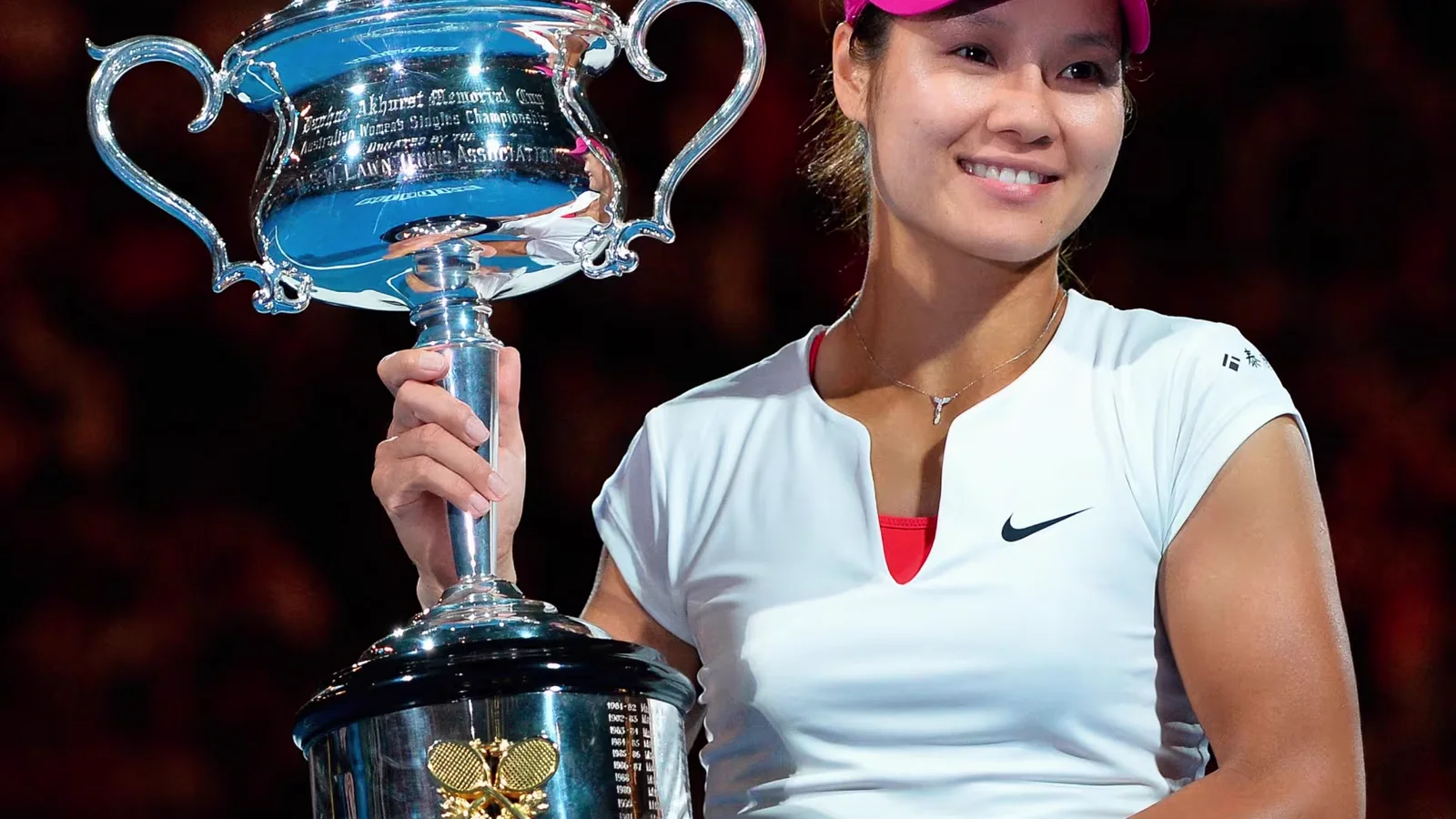
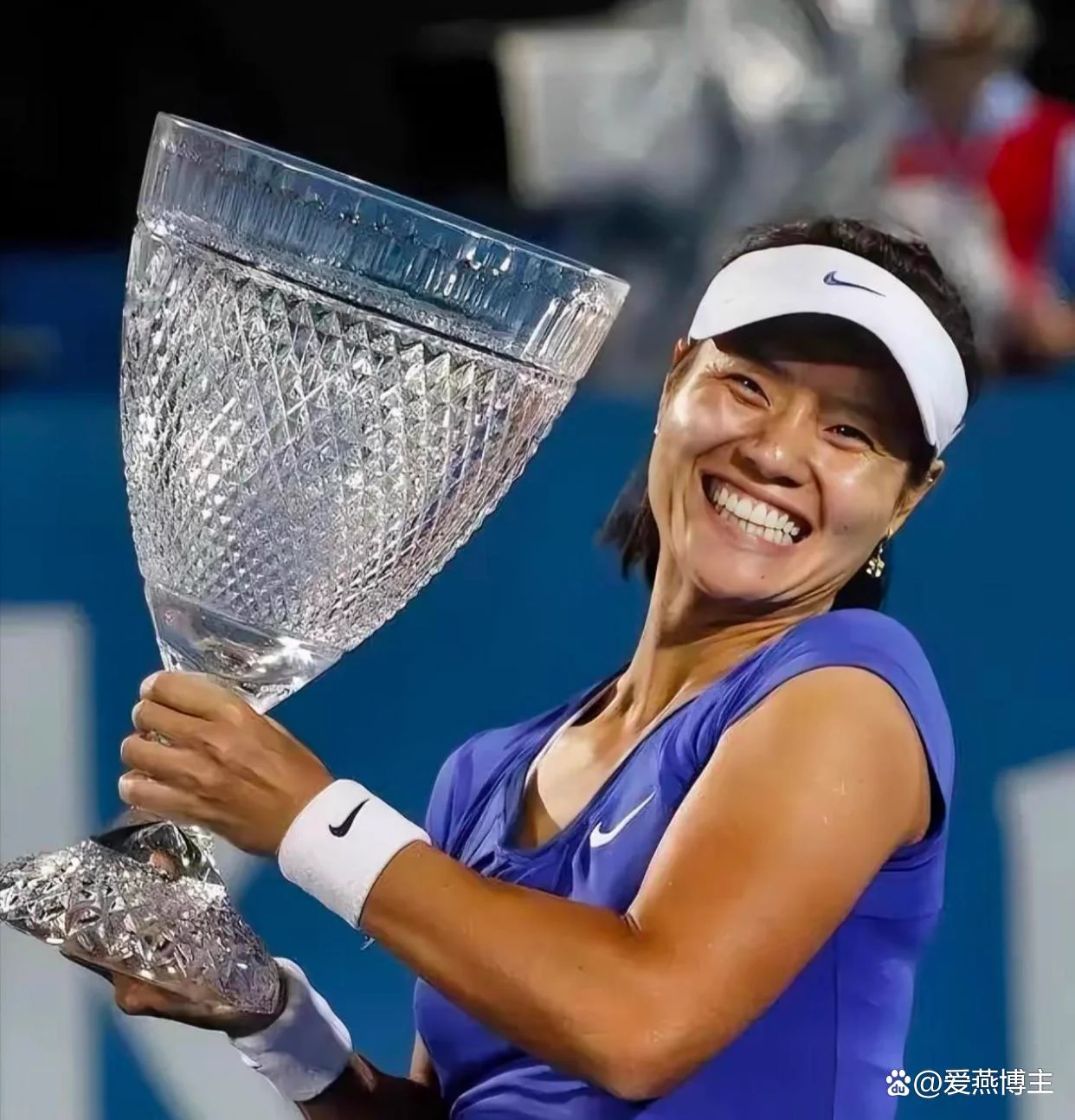
The one who matters is in Melbourne on the night of January 25, 2014, standing over the Daphne Akhurst Memorial Cup, thirty-one years old, three knee surgeries deep, wearing the expression of a woman who has just won the Australian Open and is enjoying herself far too much to cry. She is the first Asian player, man or woman, to hold this trophy. She is also the oldest woman ever to win it. She has just beaten Dominika Cibulkova 7-6(3), 6-0, and the crowd is still standing. None of that is what she talks about.
She talks about money.
“I want to thank my agent, Max,” she says, “because he makes me rich.”
The crowd roars. She talks about her husband, Jiang Shan — the man who gave up his own tennis career to travel with her, to be her hitting partner, to fix the drinks and the rackets. “He is a nice guy,” she says, and tells the world that he snores, that watching her makes his heart beat too fast, that she has learned to let him be nervous alone. She thanks her coach, Carlos. She tells the children of the world to dream big. She asks the crowd whether the people in China are happy with the result. The cameras love every second of it.
She does not thank the nation.
She does not thank the party, the federation, or the whole-nation system that raised her, fed her, and took sixty-five cents of every dollar she earned until the year she bought her way out. In Chinese public life, the trophy ceremony is the one stage where the script is non-negotiable: first you thank China — gǎnxiè guójiā — because the state paid for your body, your racket, and your ranking, and then, if anything is left, you thank your coaches and your parents, in that order. Li Na has just won the biggest prize of her career and read a different script. A commentary in the People’s Daily, the party’s flagship newspaper, reaches for the vocabulary of discipline: unchecked willfulness — the word in Chinese describes a child who cannot be steered. The Global Times would argue, days later, that “whether or not Li Na said that she thanks the motherland, she’s still Chinese… Her success itself is the best thanks.”
And 328,120 women share her name, but only one of them ever got to decide who she was. The price of that choice was itemized in her knees.
This is the story of how a girl chosen by the state at five got to that podium, saying only what she chose to say — and of what it cost her to get there. This story opens the Athletes archive the way its subject played: one woman, alone on a stage, refusing the line everyone had written for her.
02 — The Girl Who Was Chosen
Wuhan is a furnace of a city, river heat and summer steam, a place that does not give you anything for free. Li Na was born there, in the Jiang’an District, on February 26, 1982. Her father, Li Shengpeng, born in 1957, was a badminton player who briefly made the Hubei provincial team before the Cultural Revolution’s Down to the Countryside Movement ended his athletic career; he went to work in a factory. He wanted an athlete daughter — the daughter who would finish what the state had stopped him from finishing.
At five, it was decided for her that she would be a badminton player. At six or seven she held a racket for him. A tennis coach, watching the badminton courts for a different kind of eye, saw the way the little girl moved — the footwork, the hand-eye, the refusal to lose a practice rally — and asked for her. At eight, the coach asked Li Na’s parents whether they would mind their daughter growing dark from the sun. The question was about marriageability, about the fair-skin stigma of a provincial city, and the parents, who did not know the word “tennis,” called the sport róngmáo qiú — “fuzz ball.” She learned she was switching sports the way children learn they are switching schools: it had been decided.
She became the youngest boarder at her state-run sports school: one night home per week, no holidays, adult-sized wooden rackets that blistered her palms, sand courts that turned her knees into “a seething, infected mess.” She delighted, by her own later account, only in the school’s alternating red- and blue-hued antiseptic. She hated tennis. This is the baseline from which the rest of her life would be measured: a child chosen by the state before she could choose anything — the contrast with the woman on the Melbourne podium is the chapter’s work.
Then her father died. He was sick for a long time, and then he was gone — in 1996, when Li Na was fourteen, while she was at a tournament in southern China. Her coach did not tell her for days, so the tournament would not be disrupted. The family’s survival rode on the child’s racket. This is the part of Li Na’s biography that English-language profiles usually compress into a single sentimental line, and it deserves more weight than that: she learned, before she learned anything else, that sport was not play. Sport was the family’s food. The state that recruited her at fifteen understood this. A hungry child is an obedient asset.
At fifteen, the national team took her. Jǔguó tǐzhì — the whole-nation system. It is not a metaphor. The state provides everything — food, housing, coaching, medicine, a modest salary — and in exchange the athlete’s body and its output belong to the project. There is no market, no negotiation, no exit. The individual is a unit in a machine whose purpose is a flag and a medal. Li Na entered that machine at an age when most children are learning algebra, and the machine told her who she was. She has spent the rest of her life unpicking that sentence.
The 2010s would become the decade when the unpicking happened in public — but the girl who did the unpicking was made in the 1980s and 1990s, in a city that never gave anything for free, by a father who wanted her to finish what politics had taken from him, and by a system that wanted her to finish what politics had started.
03 — The Coach Who Never Praised
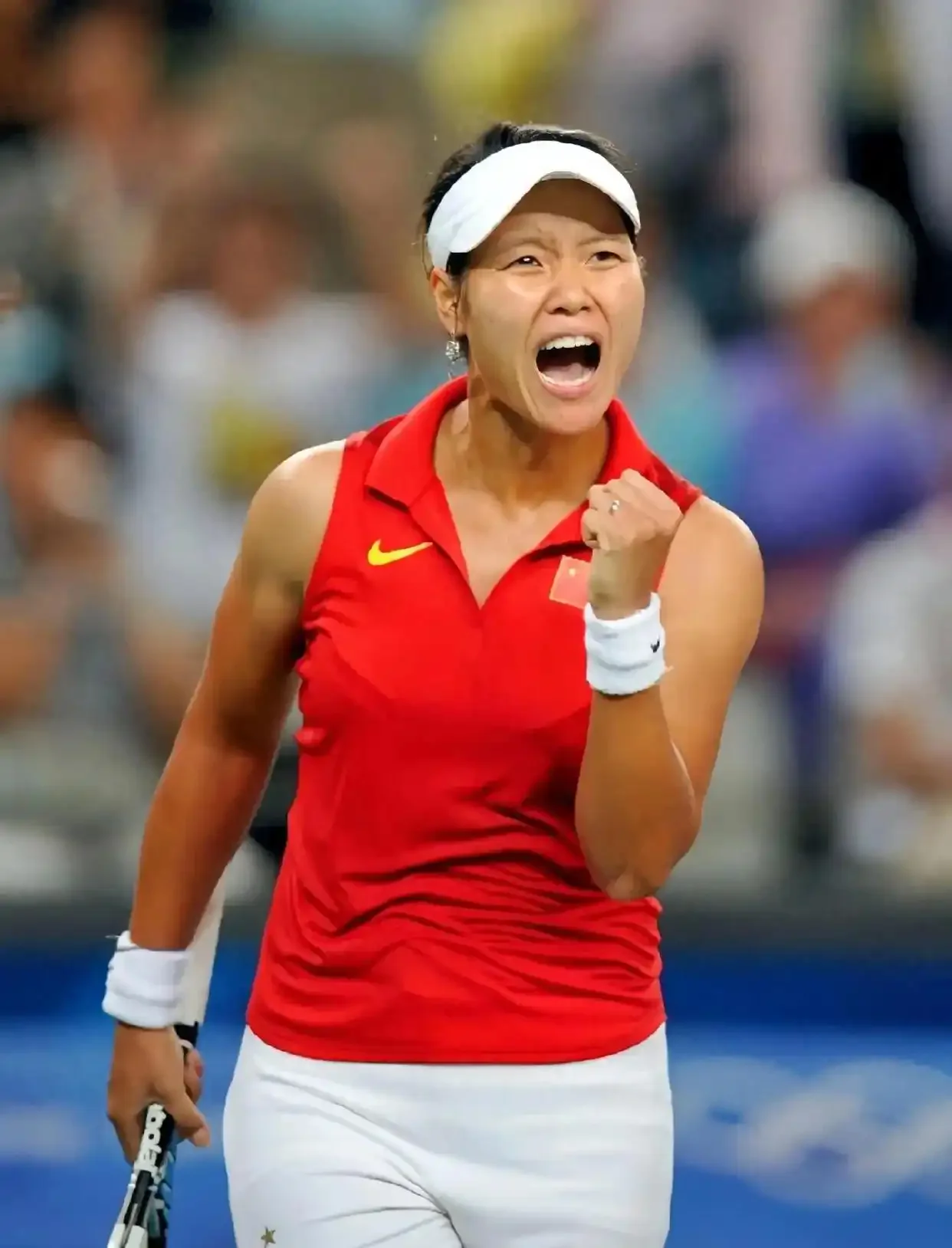
By her own account — in the memoir she would later write, Dúzì Shàngchǎng, “stepping onto the court alone,” published in English as Li Na: My Life — her first coach, Yu Liqiao, praised her exactly never. For nine years, from the age of eight, Li Na trained under Yu at the Wuhan sports school. In all that time, by Li Na’s account, she never heard a single word of praise. Yu called her stupid, shoved her, and constantly yelled in her face. The players lived in fear. The logic was internal to the system: to praise the unit was to inflate the unit, and the unit’s job was to serve. Her body was not entirely her own. What to eat, when to sleep, where to go, whom to love — the machine had opinions about all of it.
The chapter’s work is how a brutal coach forged the signature weapon. The powerful two-handed backhand that Lindsay Davenport would call “fantastic, beyond my expectations” was not just technique — it was fury metabolized. The flat, fearless groundstroke was the rebel’s game: a girl who had been told she was stupid, for nine years, learning to hit the ball harder than the insult. The same cruelty that forged the backhand nearly broke her before she ever won anything. The body carried the evidence: the scarred knees from sand courts, the blistered palms from adult rackets, the survivor’s game.
Years later, after she had won a Grand Slam, her coach Carlos Rodriguez would make her return to Wuhan and confront Yu Liqiao. “I asked her, What are you playing for? You need to play for yourself, not as revenge to the Chinese system.” The meeting lasted fifteen minutes. Walking away, Li Na felt the wave of relief. “Looking at the sky,” she would write, “it was the first time I noticed that the summer sky in Wuhan is very blue.”
The state sports school was the system in miniature. Tuesday and Thursday mornings were reserved for studies; the rest was training drills. The iron rice bowl — lifetime employment in the system — was the model, and the model’s price was total control. It was inside that machine that she met Jiang Shan.
Jiang Shan was from Wuhan too, a tennis player with a good serve and a calm way of standing in the world. They trained together. They fell in love in the one place where feeling was against the rules, and they hid it the way you hide contraband. Her knees began to hurt — the first complaint of a body that would one day present the bill for everything.
04 — The Walkout
At twenty, she walked out.
The immediate triggers were documented. At the 2001 National Games, officials forcibly dissolved Li Na’s four-year mixed-doubles partnership with Jiang Shan — then her boyfriend, later her husband — to improve Hubei’s chances. “We were human beings, not pawns on a chessboard,” she wrote in her memoir. Six of the eight provincial teammates quit afterward.
Then, before the 2002 Busan Asian Games, Li Na was suffering a menstrual disorder and was allergic to the hormone injections prescribed to treat it. A team leader told the doctor: “You just give her the injection.”
At twenty, she made the decision: she filled out an early-retirement form, left it in her dorm room with her racket, and returned to Wuhan. “The taste of freedom was so sweet,” she wrote in her memoir.
Here is where the sources split, and the split matters:
Dossier J — Contradiction 3: Was the 2002 retirement health or rebellion? Claim A: She quit due to physical and mental pressure — allergic injections, menstrual disorder, burnout. (Baidu; Time’s health framing; Confidence: Medium-High.) Claim B: She quit partly as protest over the forced breakup of her mixed-doubles partnership with Jiang Shan. (Time/memoir: “We were human beings, not pawns”; Confidence: Medium-High — memoir is primary.) Claim C: Some accounts frame it as primarily health. (Wikipedia note; Confidence: Medium.) Resolution: Both are true and mutually reinforcing. The rebellion was also a health decision; the health decision was also a rebellion. The article presents both without choosing.
She left with Jiang Shan. She enrolled at Huazhong University of Science and Technology to study journalism. She rode buses. She ate street food — règānmiàn, the hot dry noodles of Wuhan, sesame paste and scallions, the taste of a normal life. She has said these were the only years of her life that felt like a childhood, and she was twenty. The system, meanwhile, kept its books. In its ledger she was a deserter.
The remarkable thing is not that she left; it is that she came back, and that she negotiated the return on terms that, for the first time, included the word “herself.” In January 2004, a Chinese tennis official promised her freedom to “play for yourself” — and she returned. In October 2004, she won the Guangzhou Open, beating Martina Suchá in the final: the first WTA Tour singles title in Chinese tennis history. She broke the top 100 the same week. The firsts began to stack up, and each one was a line drawn through the old assumption.
The firsts: 2006 Wimbledon — a quarterfinal, the first Chinese player ever to reach a Grand Slam quarterfinal. January 27, 2006 — she married Jiang Shan, and told almost no one. The date is documented; the secrecy around it is reported:
Dossier J — Contradiction 1: The marriage date — and its secrecy Claim A: Married January 27, 2006. (Wikipedia infobox; Baidu; Confidence: Medium-High.) Claim B: The marriage was kept secret from the team; some accounts suggest it was not publicly acknowledged until ~2009. (NYT 2013: “Jiang became her first and only boyfriend at age 16”; BBC 2011; Confidence: Medium — secrecy reported, details vary.) Resolution: The registry date (2006-01-27) is well-sourced; the secrecy narrative is widely reported but not precisely documented. The article uses the 2006 date and notes the secrecy as reported, not settled.
Whether she hid the marriage from the team out of fear, or kept it quiet simply because the team had no right to know, she has never fully explained. Both readings remain available. That is the pattern of her whole career: the sources agree on what happened and disagree on what it meant, and the article holds both.
05 — The Olympics and the Outburst
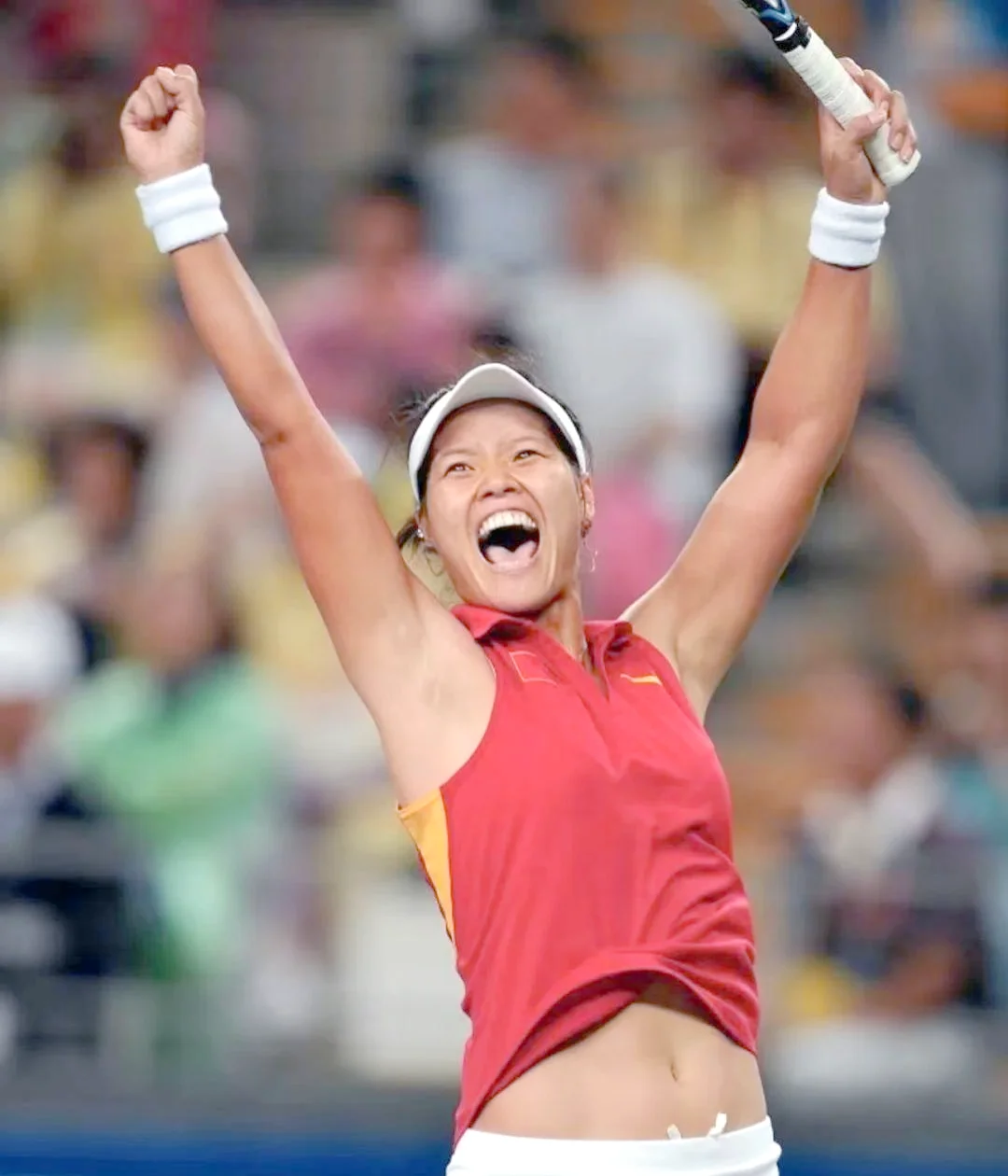
Beijing 2008 was the hinge. The home Olympics. The national team had ordered her to delay knee surgery in Germany in March — booked, paid for, the day before the operation — because she might not be well enough for the Games. The body’s ledger was being written by other people. She eventually had the operation and recovered in time. The knees that would retire her at thirty-two were damaged before independence existed.
At the Olympics she beat Svetlana Kuznetsova and Venus Williams en route to the semifinals — the best Olympic result in Chinese women’s tennis history, reached in front of her own people. In the semifinal against Dinara Safina, Chinese fans kept shouting advice and commentary — a tennis taboo. The umpire could not hush them. Li Na, within reach of the match, lost her temper: “Shut up!” she screamed in English at her own crowd. She lost the match, then lost the bronze to Vera Zvonareva 0-6, 5-7 — fourth place, no medal, on home soil.
Dossier J — Contradiction 7: What exactly happened with the crowd in the 2008 semifinal Claim A: Chinese fans shouted advice during key points; the umpire couldn’t hush them; Li screamed “Shut up!” and lost. (Time 2014, Hannah Beech’s detailed account; Confidence: Medium-High.) Claim B: Standard match report — lost to Safina in straight sets. (Wikipedia/Baidu; Confidence: High — result solid, crowd detail absent.) Resolution: The result (4th place) is solid. The “Shut up!” moment rests on Time’s account — used here with attribution to Time’s reporting, pending verification of CCTV footage.
The only time she ever screamed at her own fans was when they would not stop telling her how to play. That is the individual versus the collective in one outburst: the crowd believed the player belonged to them; the player believed the match belonged to herself. Fourth place at home was treated like a shame — the arithmetic of national expectation, where a semifinal on the world’s biggest stage in front of your own people still reads as a wound.
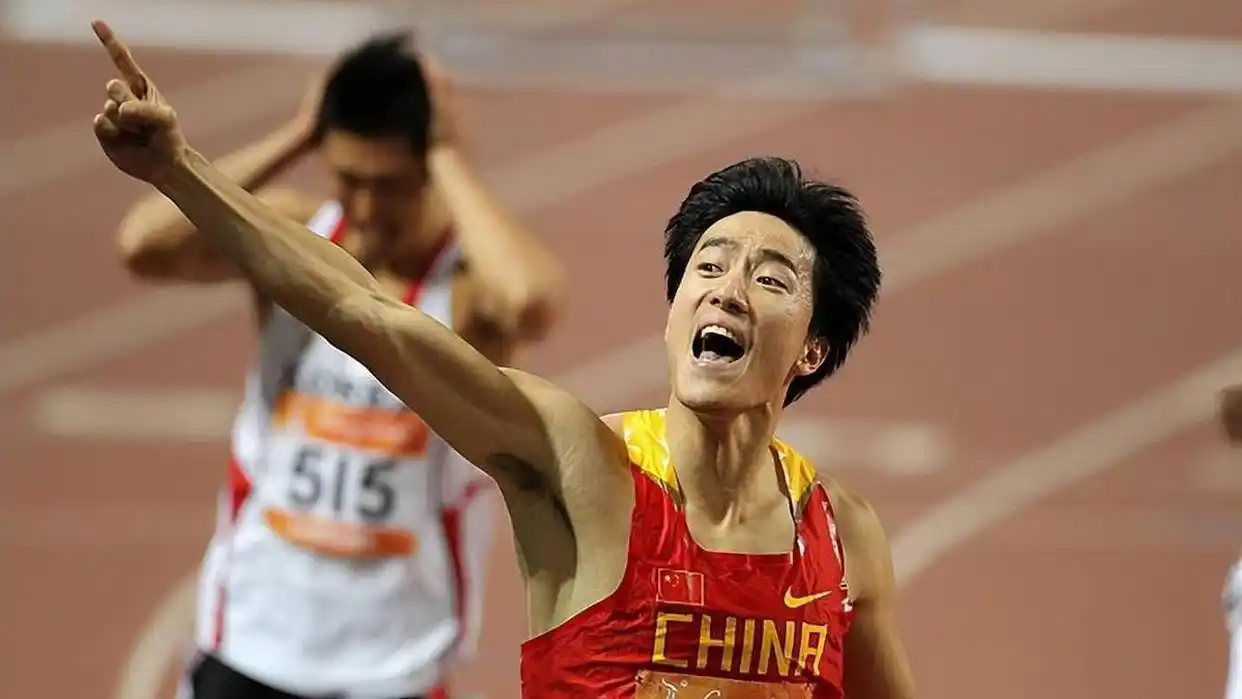
Everyone remembers the man who carried that same weight and was broken by it. Liu Xiang walked into the Bird’s Nest as a symbol carved from a living body and walked out carrying a torn Achilles and the nation’s collapsed expectations. Liu Xiang was a symbol who tried to become a man. Li Na is the inverse: a girl who refused to be a pawn. The two stories belong together — they are the two ways a Chinese athlete can hold a country’s hope. You can carry it until it breaks you, or you can refuse to carry it and let the country feel the weight of its own demand. Li Na chose the second, and the system punished her for it at every step. That punishment, not the victories, is the real subject of her life. Both lives are recorded in this archive’s Olympic Stories — the same generation, the same weight, two different answers.
06 — Fly Solo
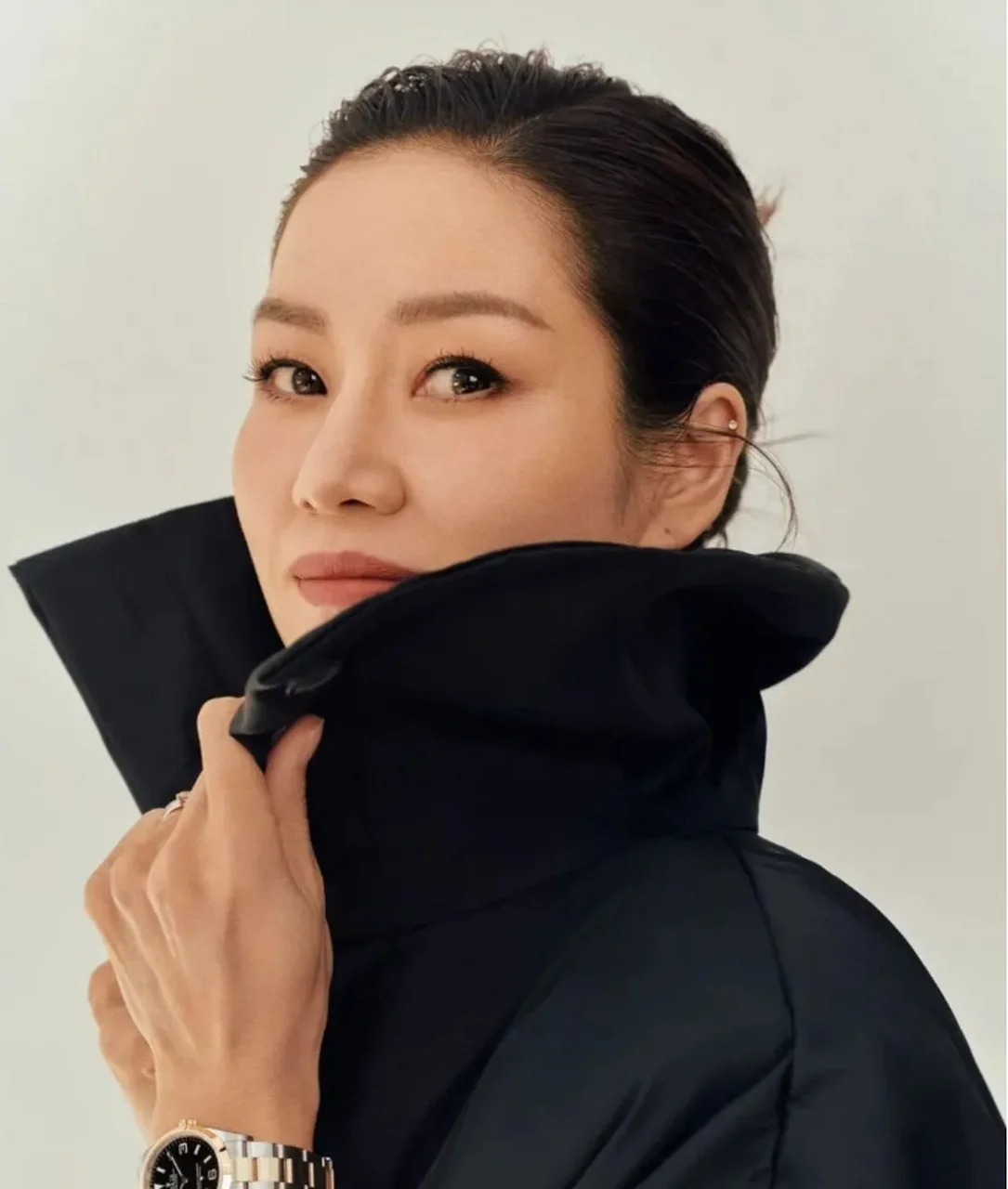
After Beijing, Chinese tennis officials did something unprecedented: they released the top players. In 2008-09, Li Na, Zheng Jie, Peng Shuai, Yan Zi, and Sun Tiantian — the “Five Golden Flowers” — were allowed to “fly solo” (dānfēi). They could dictate their own schedules, assemble their own support teams, and keep their own earnings. The image in the Chinese phrase is of a bird leaving the formation.
This had never happened in Chinese elite sport. The word “unprecedented” does not capture it; the arrangement was a breach in the wall of the whole-nation system, and five women walked through it.
The economics, where sources differ, are worth holding open:
Dossier J — Contradiction 2: The fly-solo economics — 8% vs 12% vs 65% Claim A: Keep all but 8% of revenues and 12% of match bonuses. (Time 2014; Confidence: Medium-High.) Claim B: 12% of commercial income + 8% of prize winnings to the CTA. (ChinaFile 2014; Confidence: Medium — same structure, different assignment.) Claim C: “Only twelve percent of her winnings going to the CTA development fund as opposed to 65 percent previously.” (Wikipedia; Confidence: Medium.) Resolution: The before number is solid: 65% (Time, Wikipedia, Hall of Fame all agree). The after number is 8-12% in varying splits (commercial vs prize). The article says: “65 percent before; 8-12 percent after, in varying splits,” and notes the discrepancy rather than resolving it.
The catch was the work. Freedom had to be administered. Li Na had to book her own flights, file her own visas for nearly every country, hire and fire her own staff, and learn English well enough to negotiate with coaches and to answer interviews in a language that was not her own. Her English was imperfect, and she used it anyway — fumbling, joking, brilliantly herself. No translator stood between Li Na and the world anymore. For the first time, there was no one to blame but herself. And also, for the first time, no one to thank.
One piece of context that gets lost in the celebratory retellings: she could fly solo only because tennis was already an individual sport. The WTA tour is a global ladder that one person can climb alone — ranking points, entries, prize money, all attached to a name rather than a federation. A table tennis player like Deng Yaping, a gymnast, a diver: those athletes had no exit. The apparatus held them completely. Tennis had a door in the wall, and Li Na walked through it, and the wall stood behind her. The reform was never a revolution. It was a commercial settlement between a federation that could no longer pay for the tour and five players who had become too valuable to lose. The system bent — for her. It did not break — for anyone else. That is worth remembering whenever her story is told as a triumph of the individual over the collective. She did not defeat the system. She outlived it, out-earned it, and out-spoke it.
The old system still owned her calendar. In 2009, when she asked the Hubei sports bureau whether she could skip the National Games for another surgery, the answer was: “The world’s top 10 is not nearly as important as a National Games championship.” She hobbled through one opening set against an unheralded opponent and lost it 6-0. The domestic-glory-over-international-achievement arithmetic — the collective over the individual — was the purest expression of the system’s values, spoken to the face of the most independent athlete China had produced. She skipped the 2013 National Games. The first independent seasons were hard: injury, setbacks, and the quiet voices suggesting the experiment had failed and the deserters should be brought home. Then 2010: the Australian Open semifinal, and Li Na entered the world’s top ten. The solo flight could fly. And then 2011 happened.
07 — Roland Garros
January 2011, Melbourne. She beat the world No. 1, Caroline Wozniacki, in the semifinal and became the first Asian player — man or woman — to reach a Grand Slam singles final. She lost to Kim Clijsters in three sets, 3-6, 6-3, 6-3. The history had been made in the losing; the winning was yet to come. And the runner-up speech made her a global crowd favourite: she thanked her husband, told the crowd he was famous in China, made them laugh. The woman who had been told, for nine years, that she was stupid was now the funniest person at the ceremony.
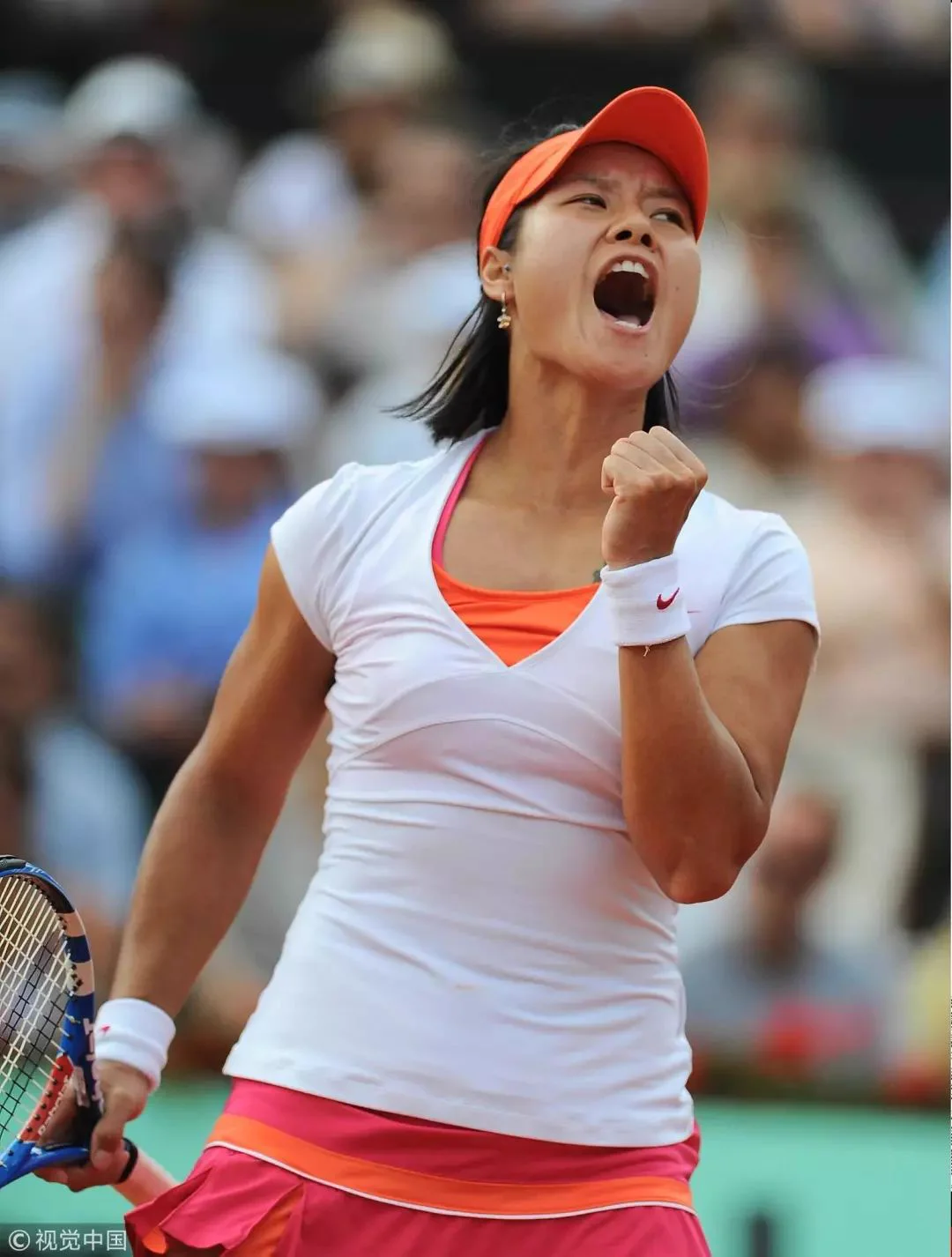
June 4, 2011, Roland Garros. She beat the defending champion, Francesca Schiavone, 6-4, 7-6(0) — the tiebreak 7-0. The first Asian Grand Slam singles champion in history. In China, the streets emptied for an hour. More than 116 million people watched — one of the most-watched tennis broadcasts in Chinese history. Her mother, asked why she did not watch the final, said she was too nervous.
Dossier J — Contradiction 6: The 2011 viewership — 115M vs 330M Claim A: ~116 million watched in China. (Time: “more than 115 million”; IMG: “116 million”; Confidence: High.) Claim B: Some sources cite 330 million. (Various social posts; Confidence: Low — unverified, likely cumulative/multi-platform.) Resolution: Use ~116 million (Time is most reliable). Do not use 330M unless Ethan verifies a primary source.
At the trophy ceremony, she thanked her coach, her team, her husband — and she did not thank her homeland. This was the first of the two “no thank-you” moments that defined her public identity. The gratitude had become a choice. That is the difference that would define her career: she no longer performed the nation’s script; she wrote her own, and the nation happened to be in it.
She titled her memoir Dúzì Shàngchǎng — “stepping onto the court alone.” The title was the point. Not “for China.” Not “with the team.” Alone. Tennis is the loneliest of the major sports: no substitutions, no timeouts, no teammate to hide behind, one body against one body. The whole-nation system had tried to make her a component; tennis, structurally, is the sport that refuses the collective. She embraced the refusal.
And then came the machinery that attaches itself to anyone who wins a Grand Slam alone. IMG, Nike, Rolex, Mercedes-Benz, Samsung, Yili — and Max Eisenbud, the agent who makes her rich. She became the highest-paid female athlete in Asia; in 2012 her income was roughly $18 million, the second-highest among female athletes in the world behind Sharapova, per Forbes. The commercial supernova was also a cage, of course. The brand needed the person to stay intact inside it, and the person was not always comfortable there.
08 — The Backlash
After Roland Garros, Li Na won only seven matches the rest of the year. Wimbledon second round, US Open first round, China Open first round. The machinery that had celebrated her turned on her with the same speed.
2012: a first-round exit at the London Olympics against Daniela Hantuchova. She contemplated retirement again — disillusioned with media criticism. Carlos Rodriguez, hired in July 2012 on a trial basis, “helped save Li from retiring.” The former Justine Henin coach rebuilt her game — adding side- and topspin, bringing her to the net, taking chances — and rebuilt something underneath it. “You need to play for yourself, not as revenge to the Chinese system.” He was the psychologist-coach who made her return to Wuhan and confront Yu Liqiao — the fifteen-minute meeting, the blue sky.
The rebuild worked, and then it hurt. January 2013, the Australian Open final: she fell twice, hit her head on the court, and lost to Victoria Azarenka 4-6, 6-4, 6-3. The falls are solid; the controversy around the final is more delicate:
Dossier J — Contradiction 5: The 2013 AO final — which injury, and the Azarenka timeout Claim A: Li rolled her (left) ankle twice and hit her head. (USA Today; BBC; match footage; Confidence: High.) Claim B: Azarenka’s medical timeouts were contested as gamesmanship. (Bleacher Report and contemporary debate; Confidence: Medium — contested, not settled. The timeout controversy primarily concerned Azarenka’s semifinal vs Stephens; the final itself was less contentious.) Resolution: The ankle/head falls are solid. The article keeps the final’s focus on Li Na’s own falls and mentions the timeout debate only with attribution.
Then June 2013, Roland Garros: a second-round loss to Bethanie Mattek-Sands, and the sentence that would define her. A reporter from Xinhua, the state news agency, asked the question that every Chinese athlete hears after every defeat: what message did she have for the Chinese people?
Li Na is tired. She has just lost, and the question carries an assumption inside it — that the Chinese people are owed a statement, that an athlete’s defeat is a national event requiring a national address. She answers flatly: “Do I need to get on my knees and kowtow to them?”
Dossier J — Contradiction 4: The kowtow quote wording Claim A: “Do I need to get on my knees and kowtow to them?” (SCMP, SI, News24/AFP; Confidence: High — multiple English outlets.) Claim B: “Do I need to perform three kneels and nine kowtows?” — sān guì jiǔ kòu (三跪九叩). (Baidu rendering of the Chinese original; Confidence: Medium — the Chinese original reportedly used the imperial ritual phrase.) Resolution: The English rendering varies; the Chinese original reportedly used the classical formula 三跪九叩 — the imperial submission ritual. The article uses the kowtow line with reported framing and the ritual gloss.
Three kneelings, nine prostrations — the most profound gesture of submission in Chinese ritual, the body’s full confession of dependence, the gesture once reserved for the emperor. The reporter was following a script; Li Na’s reply made the script visible. What, exactly, had she done that required prostration? Lost a tennis match. The absurdity of the question, once stated plainly, was fatal to the ritual.
The state media erupted. The People’s Daily editorialized against her “unchecked willfulness”: “As it becomes trendy to declare one’s individuality in this age, are star athletes justified to flaunt their personality any way they want?” And on Weibo, her 22.5 million followers — more than double any American athlete’s following, per Hannah Beech’s Time profile — rose to defend her. Commentators asked why an athlete should carry a nation. A generation of young Chinese looked at the exhausted athlete who had just left everything on court, and sided with the individual.
That moment — not the two Grand Slams — is where Li Na’s real contribution to Chinese sport lies. She was the first athlete to publicly decline the gratitude contract and survive. She never argued about politics. She never gave a speech about freedom. She played tennis, kept her money, and refused to perform an emotion the state considered its property. That was all. It was enough to erase the sentence that had governed Chinese athletes for sixty years: you owe us, and you will say so.
The year ended with the WTA Finals in Istanbul — a runner-up finish to Serena Williams, 2-6, 6-3, 6-0, the best year-end result of her career. The backlash year was also the strongest year of her life. That is the contradiction at the center of the story, and it is preserved here, un-smoothed.
09 — The Arsenal
Liu Xiang and Li Na are the two halves of the same argument. Both competed in events the world had filed, for decades, under the physical endowments of other continents; both answered with technique — with the conversion of ordinary speed into disproportionate results. Li Na’s first step was never the fastest on the tour. Her weapons were built, dismantled, and rebuilt, and what made her unrepeatable was not one shot but a system: an attacking baseline game engineered, over a quarter of a century, to take the racket out of an opponent’s hands.
She won by making the other woman run — and by hitting the ball, again and again, to the one place the other woman could not reach.
The backhand: the first weapon
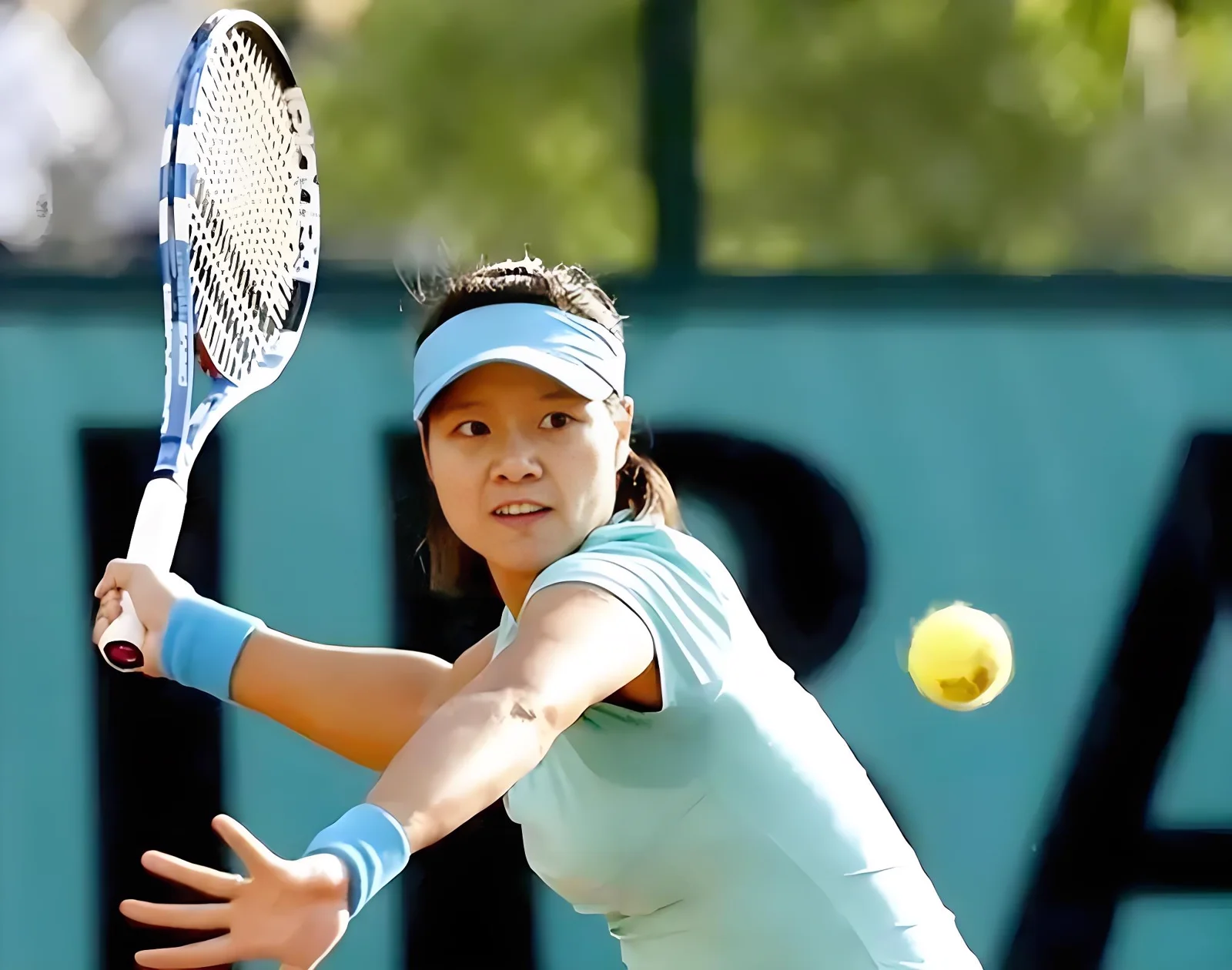
If Liu Xiang’s signature was the scissors, Li Na’s was a two-handed backhand with a fair claim to being the best in the history of women’s tennis. Lindsay Davenport called it “fantastic, beyond my expectations,” and some stroke analyses have rated her average backhand speed the fastest of any player, man or woman, in her Grand Slam-winning years.
The technique reads, in coaching breakdowns, like a single letter written in the air: a capital C. She set the racket head upright in preparation — a position from which the opponent could not read whether she intended cross-court or down the line, the source of the shot’s disguise. Her chin tucked toward her left shoulder as she turned her torso fully; her knees bent and her center of gravity dropped, so the power came from the body and not the arms. The racket then traveled low to high, the face slightly closed at contact to apply topspin, and she met the ball further forward than most players — on the rise, going to meet it rather than waiting for it to arrive. The follow-through extended fully forward, and in the take-back was a small signature of her economy: the left index finger stayed straight and relaxed. A loose hand, a whipping racket.
The menace was never pace alone; it was pace married to placement. Her cross-court backhand was her most-used and most damaging pattern — flat, fast, and angled so wide that it pinned opponents beyond the singles line and forced the short ball she wanted. Her down-the-line backhand was the ambush: a change of direction delivered with almost no change in body language, so that even a defender who guessed right was often left leaning the wrong way. And her depth was relentless, the ball landing near the baseline, robbing the opponent of the time to step in.
Under pressure it grew harder rather than softer. In the 2011 French Open final against Francesca Schiavone, her down-the-line backhand winners were the most of any woman in the draw. The backhand was her psychological anchor in a way the forehand never was: the more she was losing, the more decisive it became — a needle, as one admiring analysis put it, that pierced the defense at the exact moment the defense was most needed.
The forehand: top five, and flat
Her forehand was rated among the best five in women’s tennis, the second pillar of the baseline attack and the more brutal of the two. Where the backhand applied spin and geometry, the forehand applied force: predominantly flat, with comparatively little topspin, struck low and fast and arriving with heavy forward skid through the court. She took it early, habitually on the rise, cutting the opponent’s reaction time without adding height. And she ran around her backhand to hit it whenever the geometry allowed — the inside-out forehand her preferred first strike, because a forehand into the open court ended more points than any backhand could.
The forehand also carried her deceptions. The national sports administration’s own technical analysis described her “spear after turning the horse” — the feint that became a signature: after a run of backhands hammering the opponent’s backhand corner, she would set up as if to drive the forehand down the line, drawing the opponent’s weight to that side, and then send the forehand cross-court into the space just abandoned. Aim one way, hit the other.
Then there was the squash shot. Dragged wide by an opponent’s cross-court angle and apparently out of the point, she would improvise a sliding, slicing forehand from a scrambled position and send it low and flat down the line for a winner. Victoria Azarenka was not the only opponent left shaking her head at a point she had been certain she had already won.
The serve: the technique she rebuilt
The serve was the most improved part of Li Na’s game, and for most of her early career the least reliable. In 2009 it was competent rather than commanding. At that year’s US Open her fastest serve was 106 mph (about 170 km/h), her first serve averaged 98 mph (about 158 km/h), her second about 85 mph (about 137 km/h), and she put roughly 63 percent of first serves in play. On a tour that contained Serena Williams, that was not a weapon so much as a way to begin the point. Her serve won on placement and spin rather than velocity, and its job was to set up the groundstrokes behind it.
| Metric | Value |
|---|---|
| Fastest serve (2009 US Open) | 106 mph (≈170 km/h) |
| First-serve average (2009 US Open) | 98 mph (≈158 km/h) |
| Second-serve average (2009 US Open) | ≈85 mph (≈137 km/h) |
| First serves in play (2009 US Open) | ≈63% |
| First-serve points won, first four rounds (2009) | above 65% |
| First-serve points won, French Open final (2011) | 72% |
| Second-serve points won, French Open final (2011) | above 50% |
| Aces vs Serena Williams, US Open (2013) | 11 |
Source: WTA and US Open match statistics; French Open final data.
Two structural habits defined how she used it. On the first point of her service games, some 67 percent of her serves went to the opponent’s inside — the backhand — corner, a deliberate squeeze that limited the receiver’s swing and manufactured a weak return. And after an inside first serve, roughly 62 percent of her following shots were changes of direction, moving the opponent from one side of the court to the other.
Then Carlos Rodriguez took it apart. Hired in July 2012, he made the motion more compact — fewer wasted movements, a faster rhythm, harder to read — and more varied, so that flat, topspin, and slice serves rotated through her games rather than the single hard flat ball. The result showed in the biggest matches: at the 2013 US Open against Serena Williams she lifted her second-set first-serve points won above fifty percent. By the end of her career the serve was no longer the hole in her game. It was the platform.
The return: attack as a first principle
Her return was built on the same logic as everything else — attack first. Her anticipation and footwork were excellent; she arrived early and then, distinctively, waited, a “time-difference” habit that let her hold the ball and conceal her direction until the last instant.
The numbers were unusually aggressive for the women’s tour. On an inside first serve she returned down the line about 45 percent of the time; on a wide serve she went cross-court about 65 percent of the time. Only about 11 percent of her returns were defensive. Most players use the return to stay in the point; Li Na used hers to take it.
The weakness was specific, and it defined her worst matchups. Against serves loaded with heavy spin — the kick of Nadia Petrova, the bounding delivery of Samantha Stosur — her flat, early, attacking return struggled. In the 2009 US Open semifinal against Kim Clijsters, facing a serve that mixed spin and placement, she won just 16 of 51 return points, 31 percent, because she kept trying to attack returns that were not attackable.
| Situation | Li Na’s choice | Share |
|---|---|---|
| Inside first serve | Down the line | ≈45% |
| Wide first serve | Cross-court | ≈65% |
| Any return | Defensive | ≈11% |
| vs Kim Clijsters, 2009 US Open semifinal | Return points won | 16 of 51 (31%) |
Source: WTA match statistics and technical analysis of Li Na’s return patterns.
The baseline: three-quarters attack
Every weapon above served one system. Li Na was a pure baseline attacker: technical analysis of her matches found that offense accounted for about 76 percent of her tactics and defense only 24 — a ratio more extreme than most players at her level sustain. She did not rally to survive. She rallied to take the racket out of the opponent’s hands. Her groundstrokes were flat and fast, her targets were the lines, and her rhythm was deliberately varied — hard balls and soft, deep and short — so that the opponent could never settle into a groove.
The national sports administration, studying her run to the 2013 Australian Open, catalogued four recurring plays — not drilled patterns so much as improvisations that only a player of her experience could produce on demand:
- The feint. Hammer the backhand corner, set up the down-the-line forehand, then drive the forehand cross-court into the vacated space — aim left, hit right.
- The squash shot. From a defensive scramble, refuse to defend: slice a low, flat winner down the line.
- The change of rhythm. Follow a heavy backhand with a sudden sliced drop shot, and when the opponent is drawn in, pass or lob.
- The time-difference. Arrive early, wait, and strike late enough that the opponent cannot read the direction until the ball has left the strings.
These were, in the administration’s framing, “played out” rather than “trained” — the dividends of match experience accumulated past the point where technique becomes instinct.
The net: from liability to asset
Early in her career the net was a genuine hole. Raised in the Chinese system’s baseline tradition, she approached only when forced, and her volleys were functional at best. Under Rodriguez it became one of the most improved parts of her game: she approached on her own initiative, her volleys turned from survival shots into point-enders, and the serve-and-volley appeared as an occasional change-up rather than a stranger. The efficiency had been there all along — at the 2009 US Open against Clijsters she made just one fewer net approach than Clijsters and finished thirteen percentage points higher in success rate. She simply began to use it.
The Carlos rebuild
Rodriguez’s brief, when he took the job in July 2012, was not to remake her. She was thirty; a player that age cannot be remade. The brief was to sharpen the edges: a more compact serve, an even earlier backhand contact point, more topspin to diversify a flat game, a systematic net game, and above all a psychological patience he compressed into a phrase she repeated like a mantra — “one shot at a time. Patience.”
The results were immediate and they were the best of her life: the 2013 Australian Open final, the 2013 US Open semifinal, and the 2014 Australian Open title, won at thirty-one — the most consistent stretch of a career that had begun when she was eight years old. The rebuild had worked.
The map of her surfaces
Her technique came with a built-in geography. The same flat, early, line-seeking game that flourished on slow and medium courts struggled on the fastest surface of all, and her Grand Slam record traces the fit exactly.
| Grand Slam | Best result | Why the game fit — or did not |
|---|---|---|
| French Open | Champion (2011) | Slow clay rewards long baseline rallies and point construction |
| Australian Open | Champion (2014) | Medium pace; room to attack from the baseline |
| US Open | Semifinal (2009, 2013) | Faster court; added pressure on serve and return |
| Wimbledon | Quarterfinal (2006, 2010, 2013) | Fastest surface; fewest rallies, exposing the serve and net |
Source: WTA and ITF Grand Slam results.
Wimbledon tells the story in negative: three quarterfinals, never a semifinal, because the grass stripped away the time her flat groundstrokes needed and turned the match into the serve-and-volley contest her game was least built for. The surfaces she won on were the surfaces that let her hit through an opponent — and no surface on earth let her hit through an opponent the way it did once Carlos Rodriguez had rebuilt the edges of her game.
Why she was unrepeatable
Before Li Na, the template for an Asian woman in tennis was Kimiko Date: small, clever, defensive, a counter-puncher who absorbed pace and redirected it. Li Na walked onto the court and refused the template. She hit harder than the Europeans, took the ball earlier than the Americans, and built a game with almost no defensive gear. She proved something the sport’s assumptions had never permitted — that an Asian player could win a baseline slugfest against anyone, on the front foot, by force.
Liu Xiang hurdled barriers; Li Na hurdled a prejudice. Both were told, by the structure of their sports, what bodies like theirs could not do, and both answered in the only language the record book accepts: not an argument, but a time, and a score, and a trophy with a name on it.
10 — The Last Trophy
January 4, 2014: the Shenzhen Open title, her eighth WTA title, over Peng Shuai. Three weeks later, the return to the opening scene, at the slowest narrative speed.
January 25, 2014. Rod Laver Arena. The Australian Open final against Dominika Cibulkova: 7-6(3), 6-0. She is thirty-one — the oldest women’s champion the Australian Open has ever had, surpassing Margaret Court’s 1973 record. She drops her racket, holds her head, and then — the trophy, the speech, the laughter, the jokes about the snoring husband, the thanks to the agent who made her rich, the thanks to Carlos who always believed in her, the joke to Jiang Shan — “you are a nice guy. And also you’re so lucky find me!” per the 2014 AO transcript
And then the silence. No thanks to the nation. No thanks to the party. Nothing.
Here is a practical rule for watching Chinese sport from now on: when an athlete wins, watch what they say on the podium. The state has already written the script — thank the nation first, then the coaches, then the parents. The only question is whether the winner follows it. Li Na won the Australian Open and spent her speech thanking her agent for making her rich and her husband for being a nice guy, and that silence where the national gratitude should have been was the most expensive sentence of her career. A People’s Daily commentary called her willful. The state media praised the win and pressed the thank-you question. Weibo users pushed back: “She didn’t thank the country, so they’ve started to thank themselves.” One netizen: “By this way of thinking, Li Na’s success also would not have been possible without the roll she ate at her last meal.”
Li Na’s own line, from the memoir: “I can’t carry a nation and certainly can’t represent a whole country.”
Millions of young Chinese called her the most honest athlete they had ever heard. She became the one Li Na out of 328,120 who stood for the individual — and everyone who defended her understood, without needing it explained, what that choice would cost. The cost was the state’s goodwill, which in China is a real currency, and she spent it all.
Within weeks, she rose to No. 2 in the world — the highest ranking any Chinese tennis player has ever held, the highest ranking ever for an Asian player at the time. It would be her ceiling. Her body was negotiating its own terms.
Here is the ledger in full — every WTA singles title of her career, and the two doubles titles beside it:
| Year | Tournament | Level | Surface | Final opponent | Score |
|---|---|---|---|---|---|
| 2004 | Guangzhou Open | WTA International | Hard | Martina Suchá (SVK) | 6–3, 6–4 |
| 2008 | Gold Coast Open | WTA International | Hard | Victoria Azarenka (BLR) | 4–6, 6–3, 6–4 |
| 2010 | Birmingham Open | WTA International | Grass | Maria Sharapova (RUS) | 7–5, 6–1 |
| 2011 | Sydney International | WTA Premier | Hard | Kim Clijsters (BEL) | 7–6(3), 6–3 |
| 2011 | French Open | Grand Slam | Clay | Francesca Schiavone (ITA) | 6–4, 7–6(0) |
| 2012 | Cincinnati Open | WTA Premier 5 | Hard | Angelique Kerber (GER) | 1–6, 6–3, 6–1 |
| 2013 | Shenzhen Open | WTA International | Hard | Klára Zakopalová (CZE) | 6–3, 1–6, 7–5 |
| 2014 | Shenzhen Open | WTA International | Hard | Peng Shuai (CHN) | 6–4, 7–5 |
| 2014 | Australian Open | Grand Slam | Hard | Dominika Cibulková (SVK) | 7–6(3), 6–0 |
- Two Grand Slams, two firsts: Roland Garros 2011 made her Asia’s first Grand Slam singles champion; the Australian Open 2014 made her Asia’s first champion in Melbourne — and, at thirty-one, the oldest woman ever to win it.
- Career high: world No. 2, February 2014 — the highest ranking ever held by a Chinese player, male or female.
- Best year-end result: runner-up at the WTA Finals, Istanbul 2013, to Serena Williams.
- The full tally of her career: 9 WTA singles titles, 2 WTA doubles titles, 19 ITF singles titles, and 14 ITF doubles titles.
Source: WTA official results; ITF.
| Year | Tournament | Level | Surface | Partner | Final opponents | Score |
|---|---|---|---|---|---|---|
| 2000 | Tashkent Open | WTA International | Hard | Li Ting (CHN) | Iroda Tulyaganova (UZB) / Anna Zaporozhanova (UKR) | 3–6, 6–2, 6–4 |
| 2006 | Birmingham Open (DFS Classic) | WTA International | Grass | Jelena Janković (SRB) | Jill Craybas (USA) / Liezel Huber (RSA) | 6–2, 6–4 |
- Tashkent 2000 was the first WTA title of Li Na’s career — in singles or doubles — won alongside her compatriot Li Ting, coming from a set down against the Uzbek-Ukrainian pair. It was also the first WTA doubles title in Chinese tennis history.
- Birmingham 2006, partnering the top-ranked Jelena Janković in a grass-court warm-up, was won in straight sets.
- Doubles career high: world No. 54 (28 August 2006).
Source: WTA official results; ITF.
11 — The Door
September 19, 2014. She announces her retirement in a bilingual social-media letter — “My dear friends…” — four knee surgeries, hundreds of injection treatments, the knees “no longer able to support top-level competition.” The announcement came on the eve of the inaugural WTA Wuhan Open, her hometown tournament, which she had to skip. She was thirty-two.
Dossier J — Contradiction 7 (research note): The retirement letter wording — foot vs knee Claim A: The letter cites the knees — four surgeries, hundreds of injections. (All press coverage: NYT, Baidu, ABC7; Confidence: High.) Claim B: A Facebook mirror of the letter says “due to injury of foot.” (Facebook mirror; Confidence: Medium — likely a translation variance of the Chinese for foot/leg/knee.) Resolution: Present as “her knees — four surgeries, hundreds of injections” per all press coverage, noting the translation variance as a research note pending verification of the original bilingual letter.
This is the part of the story that the cleaned-up biographies leave out, because it is not a victory: the price of independence was itemized in her body. The system keeps its books where it has always kept them — in the flesh. It counts everything; it just does not show its arithmetic in advance. Li Na paid for the right to be herself in the only currency the system recognizes, and the receipt was four surgeries and hundreds of injections and two ruined knees. The same knees that carried her out of the system carried her off the court.
WTA CEO Stacey Allaster said it plainly: “She was a pioneer who opened the door to tennis for hundreds of millions of people in China and Asia.”
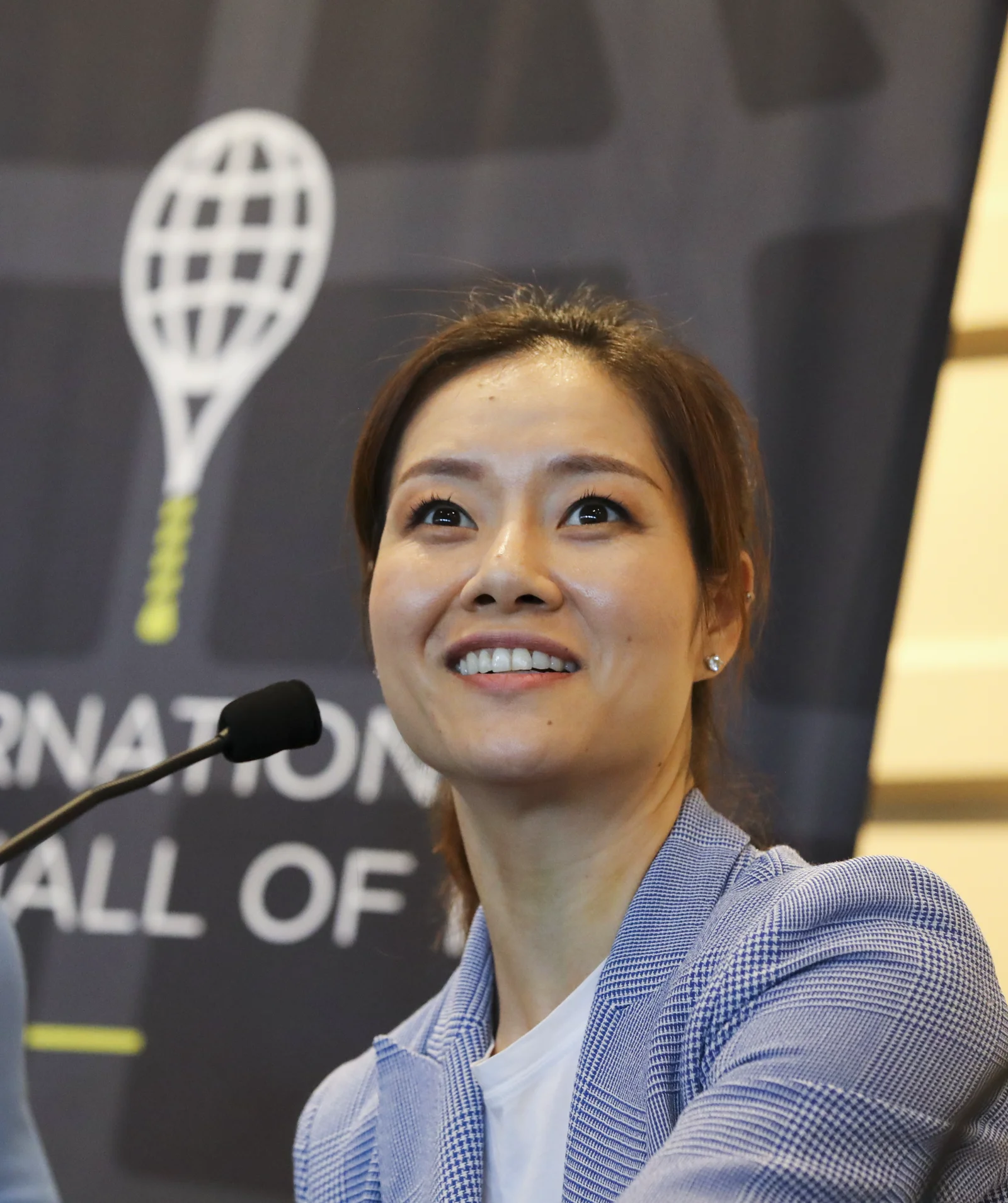
She did not retire into bitterness. The retirement press conference, two days later, was tearful and gracious — “the best time to retire… no feelings of regret or remorse.” A daughter, Alisa, was born in June 2015. The International Tennis Hall of Fame inducted her on July 20, 2019 — the first Asian inductee, alongside Mary Pierce and Yevgeny Kafelnikov. The documentary Na Is Me followed in 2019. A second daughter came in 2023. In retirement she has been careful, gracious, occasionally still funny. She played the game the state wanted her to play, but she played it as herself, and the difference was the whole difference. The nation had claimed her; she had declined the claim; the decline had a price; she paid it, and she did not complain, because complaining would have meant admitting the price was a surprise.
And the door stayed open. On August 3, 2024, at Roland Garros — the same stadium where Li Na had won her first Grand Slam — Zheng Qinwen, born in 2002, beat Donna Vekic for the Olympic gold medal: China’s first in Olympic tennis singles, a gold the whole-nation system could finally hang on its wall. When Zheng Qinwen was eight years old, she huddled around a television screen to watch a woman named Li Na win the French Open, per a 2024 BBC report. She has said it herself, plainly, without bitterness or irony: “Since I was a child, Li Na was an inspiration to me. I always wanted to become one that can inspire young kids to love more [tennis],” she told ESPN in 2024.
Zheng Qinwen’s full story is a future article in this archive. What matters here is what her gold proved: the door Li Na opened in 2011 stayed open. The girls who were children that June grew up in a China where a woman from Wuhan winning a Grand Slam was already a fact, not a fantasy — and where she had won it without performing the nation’s gratitude. That was the real gift of 2011: not a trophy or a ranking, but proof that it could be done, and survived.
Keep the open questions. Did she owe the system that raised her the gratitude it demanded? Did independence cost more than the knees? Does the door stay open, or does a new generation have to keep paying the price to walk through it? Zheng Qinwen stood on the Olympic podium and spoke of her country — ‘I did everything I could to get a medal for my country’ — and meant it. The gratitude that Li Na refused had, by then, become voluntary. The contract was not abolished. It was broken in, the way a pair of shoes gets broken in — by one person wearing them long enough and hard enough that they stopped pinching. Zheng did not have to refuse the script to be an individual. Li Na had already paid for that right, and the receipt was in her knees.
The next time you watch a Chinese athlete win, watch what they say on the podium. The state will already have written the script; the question is whether they follow it. When Li Na won the biggest trophy of her life, she thanked her agent for making her rich and her husband for being a nice guy — and for the sin of not thanking her country, a national newspaper called her willful while 328,119 other Li Nas cheered.
A line of young people, in the decade since, has looked at the bill and decided it was worth paying. Zheng Qinwen is simply the one who said it out loud. That is Li Na’s real monument — not the two Grand Slams, and not the money, and not the headlines. It is the line. There are 328,120 women named Li Na in China, and one of them stepped onto the court alone, and the price of deciding who she was got measured in her knees — and a generation of girls from her province, her country, her name’s shadow, looked at the price and started paying it anyway.
That is the answer to the last question. Why does Li Na still matter? Because she won the biggest trophy of her life and spent the speech thanking her agent and her husband — and for the sin of not thanking her country, a national newspaper called her willful while 328,119 other Li Nas cheered. Every future story in this Athletes archive will be measured against that: not what she won, but who she was allowed to be while winning it — and what it cost her to stay that person.
Frequently Asked Questions
Was Li Na the first Asian player to win a Grand Slam singles title?
Yes. Li Na's French Open victory on June 4, 2011 — a 6-4, 7-6(0) win over defending champion Francesca Schiavone — made her the first Asian player, male or female, to win a Grand Slam singles title. She is the only Chinese player — male or female — to have won a Grand Slam singles title; Zheng Qinwen's Olympic gold (2024) is the other landmark in Chinese tennis history.
Why didn't Li Na thank China in her 2014 Australian Open speech?
After winning the 2014 Australian Open, Li Na thanked her agent Max Eisenbud ("make me rich"), her coach Carlos Rodriguez, and her husband Jiang Shan — but not the nation or the state system that had raised her. Chinese athletes are traditionally expected to thank China first. The omission was read by the People's Daily as "unchecked willfulness" and by millions of young Chinese as the most honest thing an athlete had ever said.
What was the "fly solo" reform in Chinese tennis?
In 2008-09, the Chinese Tennis Association released its top women — Li Na, Zheng Jie, Peng Shuai, Yan Zi, and Sun Tiantian, the "Five Golden Flowers" — to run their own careers. Where the state had once taken 65 percent of a top athlete's earnings, the players now kept all but 8-12 percent in varying splits, booking their own flights, hiring their own coaches, and learning English to negotiate with the world tour.
What was Li Na's best shot, and how did she play?
Her two-handed backhand was widely rated the best in women's tennis — flat, struck early, and placed to the lines, with a cross-court drive and a disguised down-the-line ambush as its two patterns. She played a flat, attacking baseline game (about 76 percent offense) with an early-hitting forehand rated among the top five in the game, and from 2012 rebuilt her serve and net play under Carlos Rodriguez. That baseline attack carried her to two Grand Slams in a sport long dominated by European and American power.