Hey there, winter warrior! Picture this: You wake up to a blanket of fresh snow, grab your shovel, and get to work clearing the driveway. It's cold, it's messy, but hey—could this everyday chore actually count as your daily exercise? Spoiler alert: Yes, it can be a fantastic workout if you do it right. But like anything worthwhile, it comes with caveats.
Shoveling snow burns calories, builds strength, and gets your heart pumping, yet it risks injury if you're not careful. In this chatty post, we'll break it down step by step, blending in some wisdom from Ntaifitness—think flowing movements and balance to keep things harmonious and injury-free. Ready?
Let's scoop into it.
Core idea up front: Shoveling snow qualifies as good exercise because it mixes cardio with strength training in a real-world way. You engage your whole body, torch calories, and even boost your mood outdoors.
Just remember, safety first—approach it like a mindful Tai Chi session, where every push and lift flows smoothly to avoid strain.
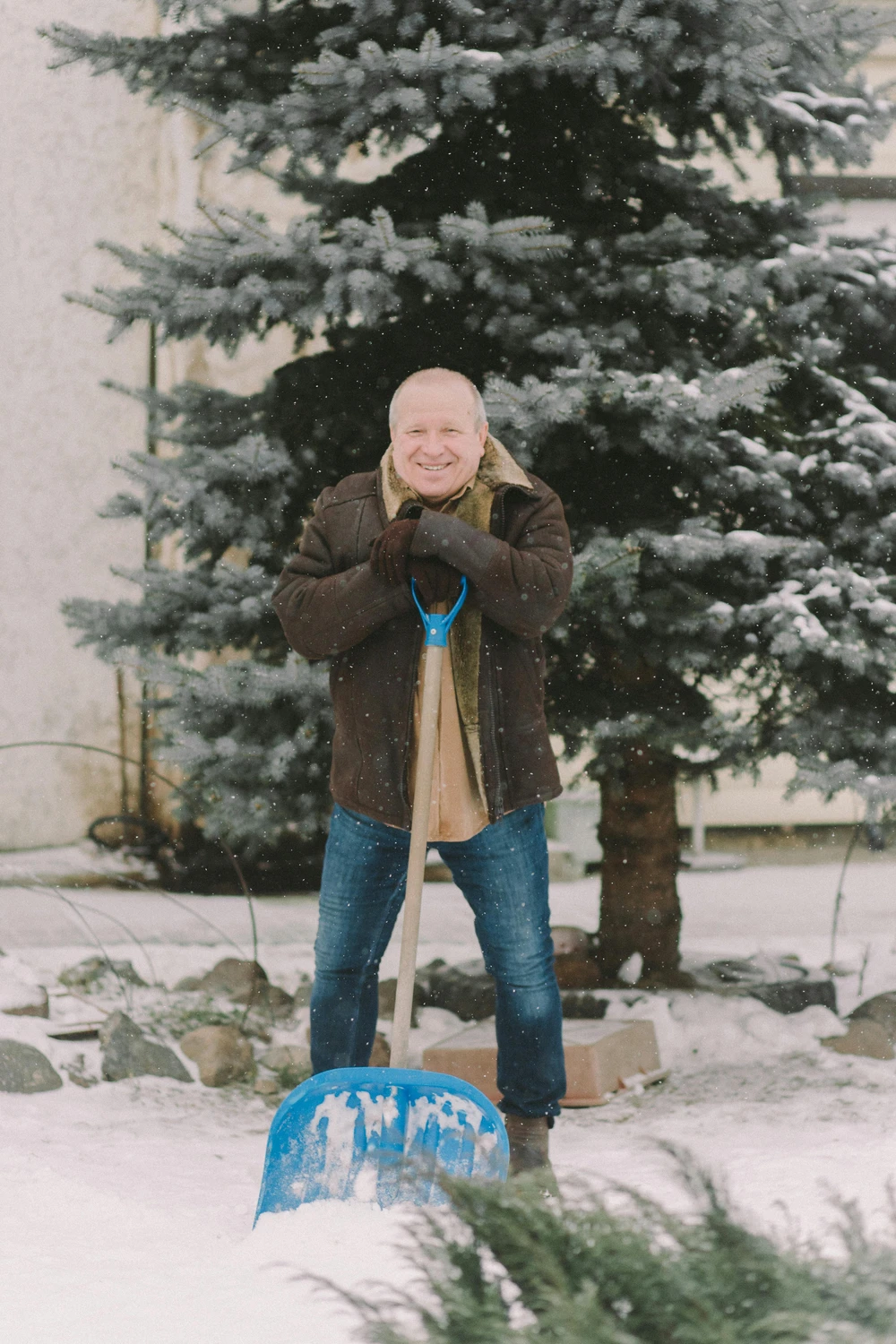
The Upsides: Why Shoveling Feels Like a Free Gym Session
You know that satisfying ache after a good workout? Shoveling delivers it without a membership fee. I shovel my own driveway every winter, and let me tell you, it leaves me energized, not exhausted. Here's why it shines as a winter fitness option.
First off, it cranks up your heart rate. Pushing through snow demands steady effort, much like jogging or cycling. Studies show you can burn 400 to 600 calories in an hour, depending on your weight and the snow's heaviness. That's on par with a brisk walk or light weightlifting.
Your legs power the pushes, your arms handle the lifts, and your core stabilizes everything. It's functional fitness at its best—training your body for real-life tasks.
But wait, there's more. Shoveling builds muscle too. Those repetitive motions target your back, shoulders, quads, and glutes. Over time, you gain endurance and strength. Plus, being outside in the crisp air? It lifts your spirits. Winter blues hit hard for many, but this activity gets you moving under the sky, soaking in natural light.
From a Ntaifitness perspective, treat it like a moving meditation. Focus on your breath—inhale as you scoop, exhale as you toss. This harmony turns a chore into a balanced flow, reducing stress and enhancing mind-body connection.
- Calorie torching made easy: Wet snow amps up the intensity, mimicking interval training.
- Full-body engagement: No isolated exercises here; it's all compound moves.
- Mental perks: Clears your mind while clearing your path—double win!
A snowy landscape, you in motion, feeling the rhythm.
The Downsides: Don't Let It Bury You in Pain
Okay, let's keep it real—not every snow-shoveling session ends with high-fives. I've tweaked my back once or twice rushing through it. The risks? They're legit, especially in cold weather.
Cold temps make your muscles stiff, increasing pulls or strains. Lifting heavy snow wrong can wrench your back or shoulders. And for folks with heart issues, the sudden burst of activity spikes blood pressure—doctors warn about heart attacks from overdoing it. Slips on ice? Common culprits for falls.
But here's the good news: You can dodge most pitfalls. Warm up first with arm circles and leg swings. Use an ergonomic shovel to ease the load. Shovel small amounts often, not giant heaps at once.
Ntaifitness teaches us about balance—keep your stance wide, bend at the knees, and twist from your hips, not your spine. This mindful approach prevents overload and promotes longevity in your movements.
- Back strain busters: Lift with legs, not back.
- Heart-smart tips: Take breaks every 10-15 minutes.
- Slip prevention: Wear grippy boots and salt the ground.
Pro tip: If you're over 50 or have health concerns, chat with your doc before diving in. Better safe than sidelined.
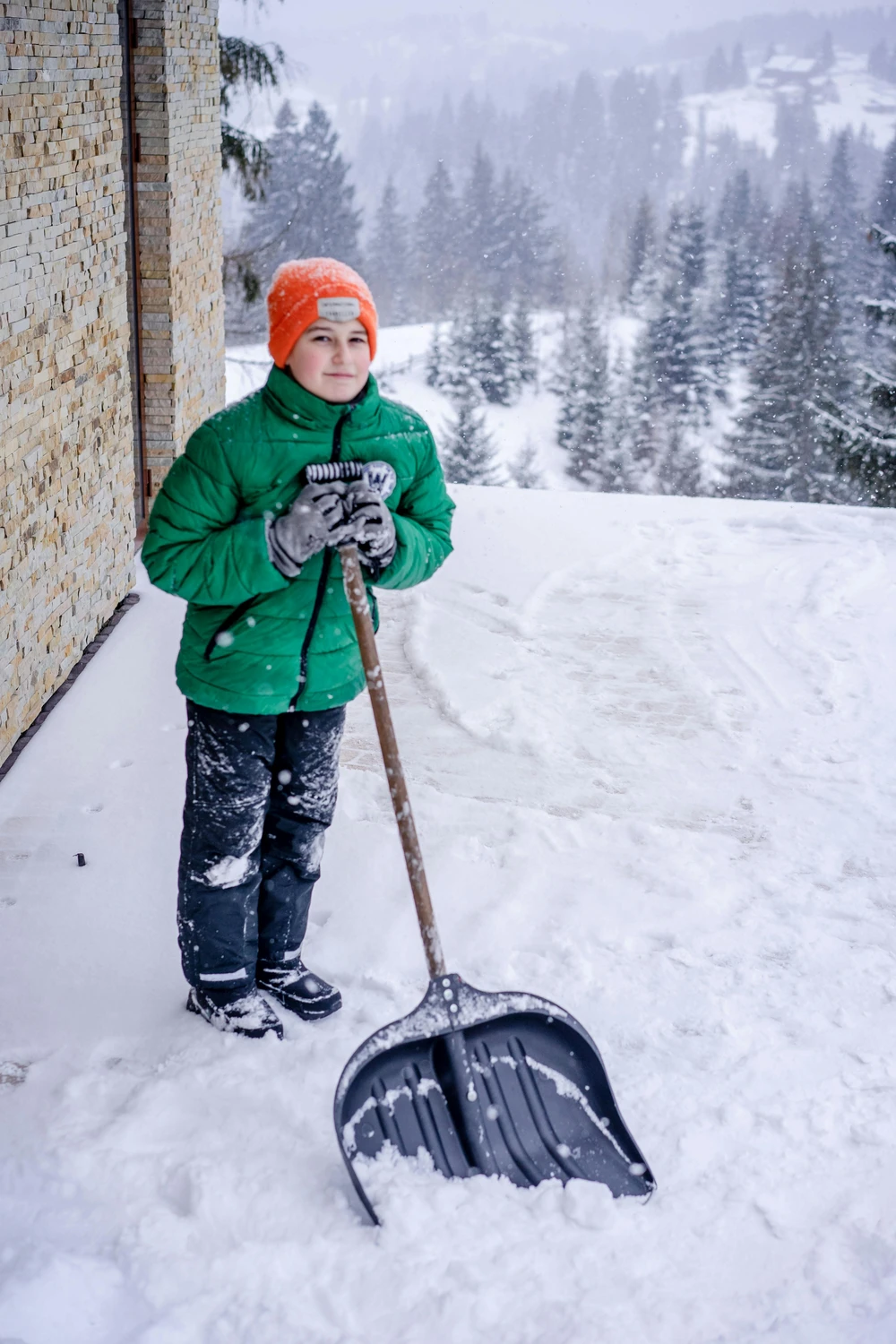
Science Says: Backing Up the Sweat
Curious about the facts? Let's geek out a bit without getting too technical. Researchers from places like the Mayo Clinic agree: Shoveling counts as moderate to vigorous activity. It racks up metabolic equivalents (METs) similar to mowing the lawn or playing tennis—around 5-7 METs per session.
One study tracked folks shoveling and found it boosts cardiovascular endurance. Your heart works harder in the cold, adapting over time for better fitness. Muscles-wise, it hits the erector spinae (back stabilizers) and deltoids (shoulders) hard, like doing rows or squats outdoors.
Limitations? Sure. It's not customizable like gym equipment—no dialing down if the snow's too heavy. And for beginners, it might feel overwhelming.
Enter Ntaifitness's unique take: View shoveling as Wuji practice—standing in stillness before motion, ensuring alignment. This prevents the "all or nothing" pitfalls and integrates seamless energy flow.
Expert Voices Weigh In
Cardiologists often say, "Start slow." Fitness trainers add, "Mix it with stretches." I love how Ntaifitness aligns with this—emphasizing Qi (energy) flow to sustain effort without burnout.
- MET comparison: Shoveling = 6 METs; brisk walking = 4 METs.
- Study snippet: Harvard research links it to reduced heart disease risk when done regularly.
- Pro advice: Hydrate, even in cold—dehydration sneaks up.
Table for quick scan:
| Activity | Calories Burned (per hour) | Risk Level |
|---|---|---|
| Shoveling Snow | 400-600 | Medium |
| Jogging | 500-700 | Low-Medium |
| Weightlifting | 300-500 | Low |
Shoveling vs. Other Workouts: Which Wins Winter?
Ever wonder how shoveling stacks up against your usual routine? It's not a replacement, but a solid sidekick. Unlike treadmill runs, it's free and purposeful—you end with a clear path, not just sweat.
Compare to yoga: Both build core strength, but shoveling adds cardio punch. Vs. weights: Similar muscle work, minus the gym crowd. Drawbacks? Weather-dependent and unpredictable intensity.
I blend it into my routine like this: Shovel for 20 minutes, then do Ntaifitness poses to cool down. This hybrid keeps things balanced—strength from snow, flexibility from flows.
Making It Part of Your Life
Integrate wisely. Track sessions with a fitness app. Use it as cross-training if you're a runner—builds leg power for trails.
- Vs. Indoor options: Beats cabin fever.
- Seasonal boost: Perfect for winter cardio when gyms feel far.
- Accessibility: No equipment needed beyond a shovel.

Practical Hacks: Shovel Smarter, Not Harder
Want to turn this into a habit? Gear up right. Pick a lightweight, bent-handle shovel—it reduces bending by 20%.
Technique matters: Push snow instead of lifting when possible. Break it into intervals—10 minutes on, 2 off.
From Ntaifitness: Visualize energy flowing through your body. Stand rooted, move fluidly. This not only prevents injury but enhances the workout's efficiency.
- Warm-up routine: March in place, swing arms.
- App tracking: Log as "manual labor" for accurate calories.
- Alternatives: Snowblower for tough days, but mix in walks.
Stay layered—wick away sweat to avoid chills.
Wrapping Up: Embrace Snow Shoveling as Your Ultimate Winter Exercise Boost
There you have it—shoveling snow isn't just a chore; it's a powerhouse winter workout when handled with care. It delivers calorie-burning cardio, muscle-building strength, and that fresh-air high, all while fitting into your daily life.
By weaving in Ntaifitness principles—like balanced flows and mindful breathing—you elevate it from risky task to empowering ritual.
Listen to your body, start small, and enjoy the process. Next snowfall, give it a mindful try.
What's your winter fitness hack? Drop a comment below—I'd love to hear!
Thanks for reading! Stay warm and strong.
FAQ: Answering Your Burning Questions on Shoveling Snow as Exercise
Is shoveling snow considered aerobic exercise?
Absolutely—it gets your heart racing like a winter cardio session! This manual winter activity combines steady pushing and lifting, burning calories similar to brisk walking or light jogging. From a Ntaifitness view, focus on rhythmic breathing to enhance the aerobic flow and turn it into a mindful winter fitness boost.
How many calories can you burn shoveling snow?
Expect 400-600 calories per hour for an average person, depending on snow type and intensity. Wet snow ramps up the effort, making it a high-calorie winter chore workout. Track it like any physical labor exercise—apps can help log your snow removal calorie expenditure for better fitness insights.
What muscles does shoveling snow work?
It hits your full body: legs for power, arms for lifts, core for stability, and back for support. Think of it as compound winter strength training, targeting quads, glutes, shoulders, and erector spinae. Ntaifitness suggests aligning your posture to avoid strain, transforming this seasonal labor into balanced muscle-building activity.
Are there risks to shoveling snow as a workout?
Yes, watch for back strains, heart stress in cold weather, or slips during snow clearing routines. It's vigorous manual exercise, so improper form can lead to injuries. Mitigate with warm-ups, ergonomic tools, and short bursts—Ntaifitness emphasizes grounded stances to reduce winter activity hazards and promote safe physical exertion.
Can shoveling snow replace my regular fitness routine?
It can supplement, but not fully swap—it's great for winter aerobic labor and functional strength, but lacks variety. Blend it with indoor sessions for a complete seasonal workout plan. If you're into holistic approaches, Ntaifitness integrates it as part of energy-flowing daily movement, enhancing overall health benefits without overreliance.
How to shovel snow safely for maximum health perks?
Start with a quick warm-up, use knee-bending techniques, and take breaks to prevent overload. Opt for push-style shoveling over heavy lifts in your winter manual task. Ntaifitness tip: Visualize smooth Qi flow in each motion for injury-free snow removal exercise, boosting both physical and mental winter wellness.
Is shoveling snow good for weight loss?
It aids weight management through high-energy expenditure and muscle toning, especially as a free winter calorie-burning activity. Pair it with diet for results, but consistency matters. From Ntaifitness's perspective, it's about harmonious body balance, making this chore a sustainable part of your fitness journey.
What gear helps with shoveling as exercise?
Grab an ergonomic shovel with a curved handle to ease back pressure, plus grippy boots for stability. Layer clothing to manage sweat during this outdoor winter exertion. Ntaifitness recommends tools that support fluid movements, turning snow shoveling into an efficient, low-risk aerobic chore.